Ngũgĩ wa Thiong’o, one of the giants of African literature who dedicated his life to activism through storytelling, has gone to join the ancestors. He was, and will always remain, one of my favourite writers.
His novels Weep Not, Child and A Grain of Wheat weren’t just assigned texts for my undergraduate degree; they were revelations. They taught me more about the Mau Mau rebellion, the damaging effects of British colonial rule in Kenya, and Kenya’s struggle for independence than any textbook ever could.
His novels and plays were deeply political, offering a searing critique of oppression and inequality in pre- and post-independence Kenya. In 1977, he was imprisoned for challenging the ruling elite, undeterred he penned Devil on the Cross on toilet paper, showing his commitment to resistance. His works exposed corruption and exploitation, making him a symbol of defiance against Kenya’s oppressive regimes.
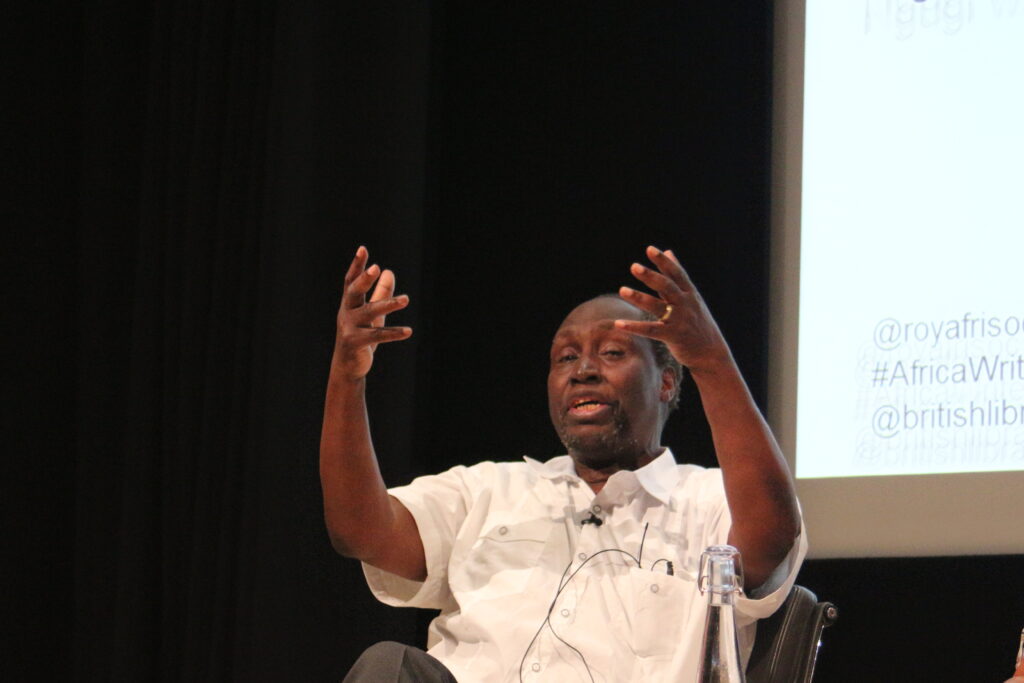
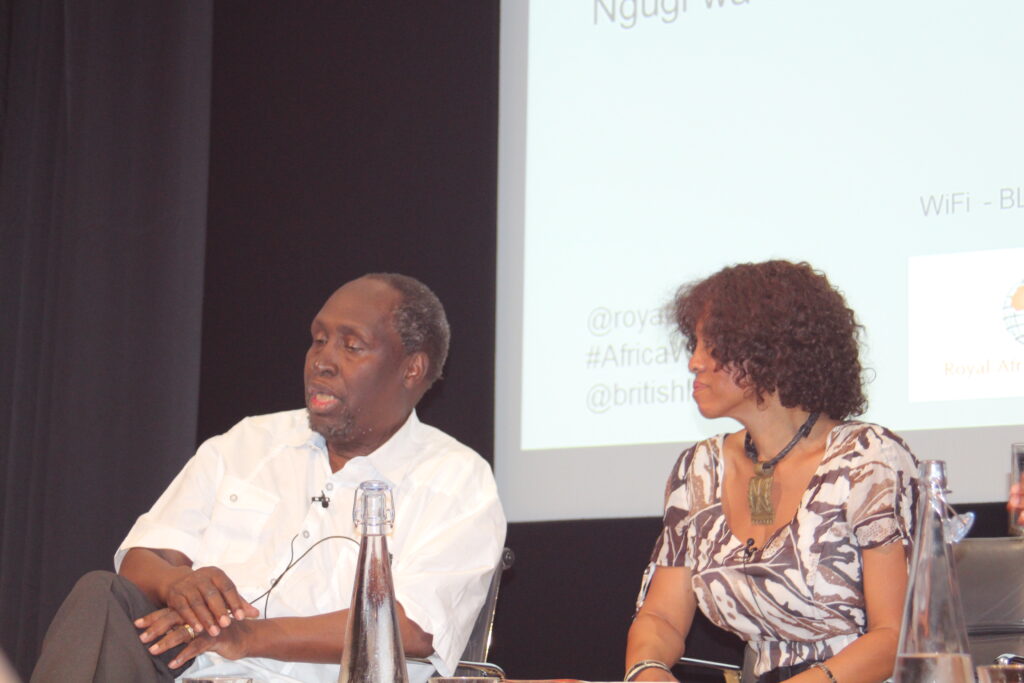
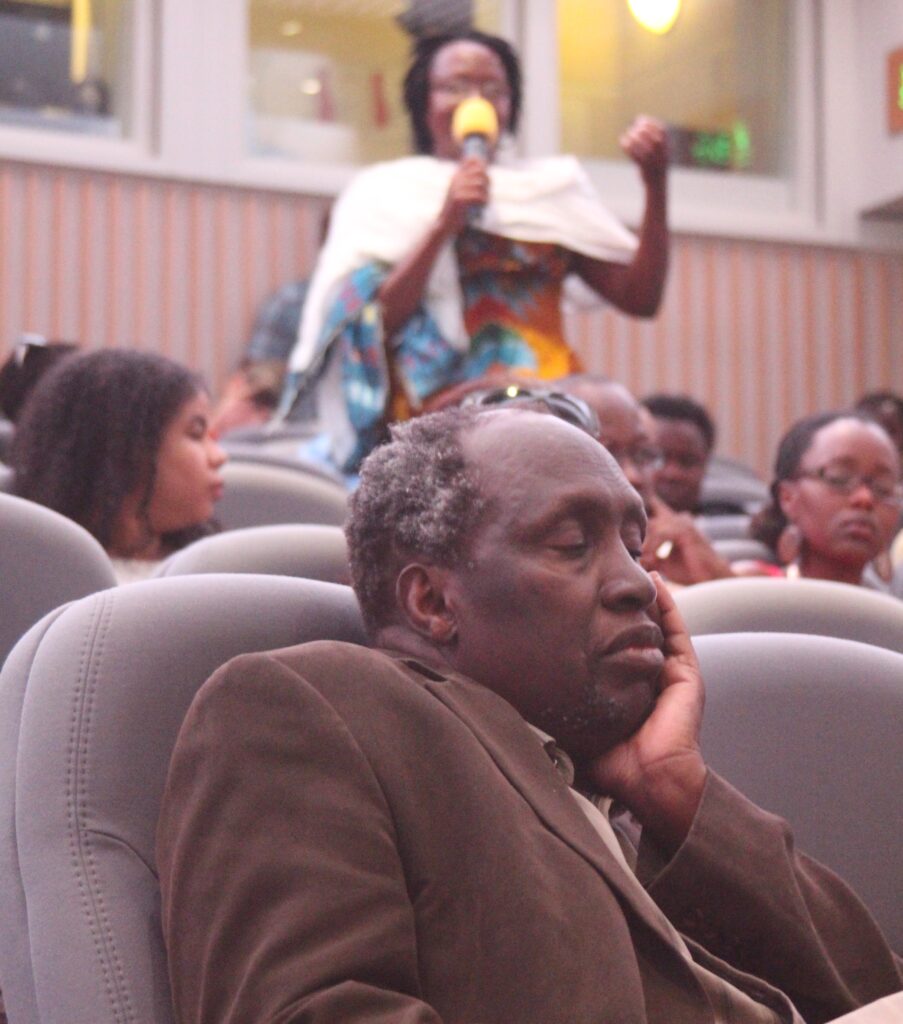
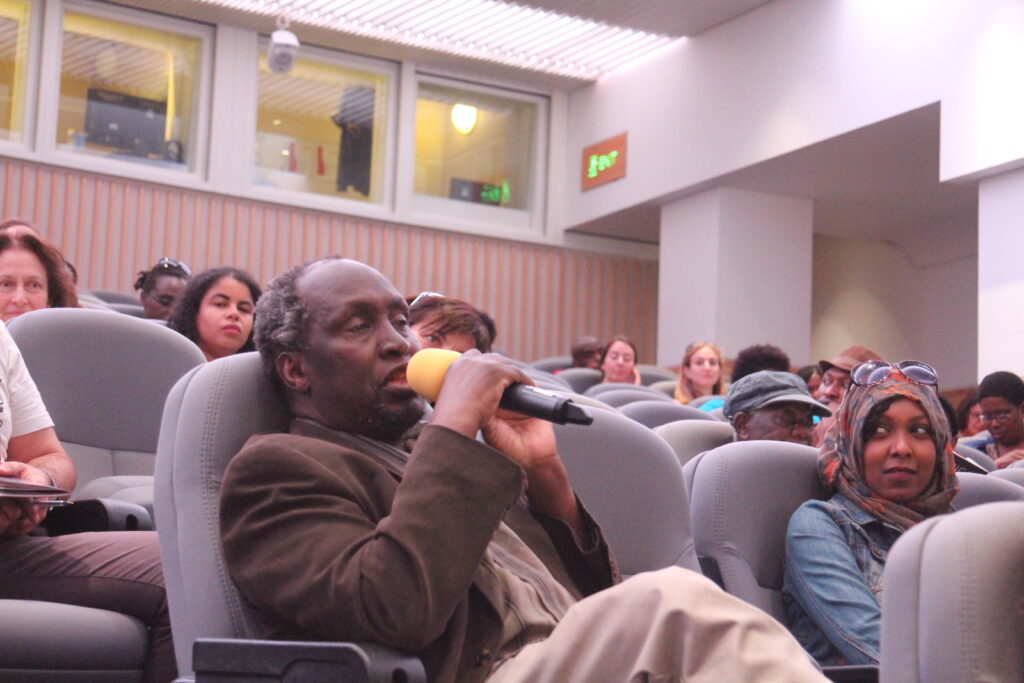
His decision to abandon English and write in his native Kikuyu reshaped African literature, asserting the importance of native languages in storytelling.
As an undergrad, he opened my eyes to the fact that writing can be a form of resistance. He inspired me to embrace my heritage while engaging and entertaining me with his storytelling. You will always remain my hero. Rest in Power, Ngũgĩ wa Thiong’o.
I had the privilege of meeting him at Africa Writes in 2013 where these pictures were taken.