A Nuanced Exploration of Memory, Identity, and Social Realities: A Review of The Book of Memory by Petina Gappah
By Jacqueline Joy
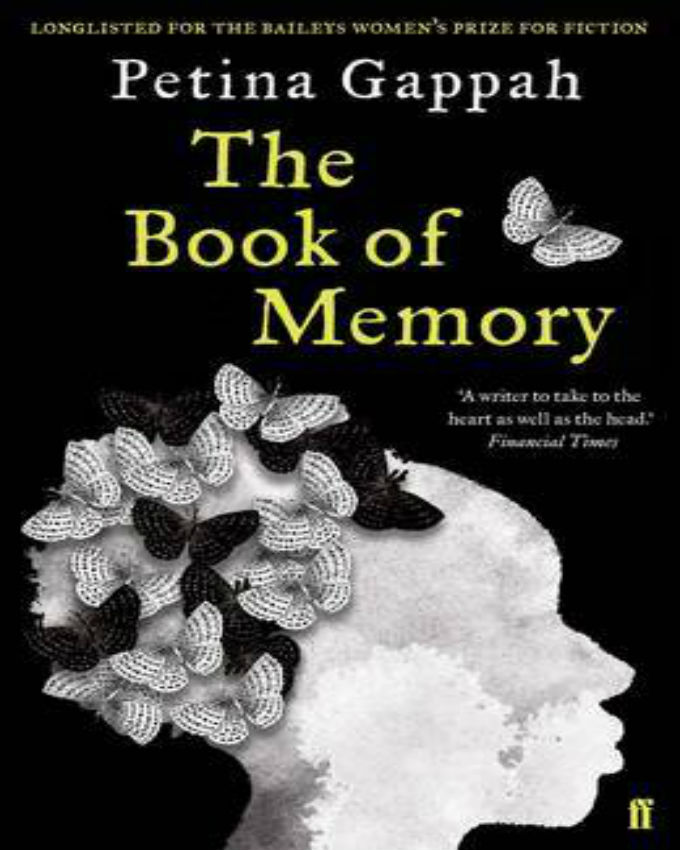
The Book of Memory by Petina Gappah is a poignant and sometimes humourous novel that tells the story of a young woman named Memory who is on death row in Harare, Zimbabwe. As she awaits her execution, she reflects on her life and the events that led her to this point, revealing a tragic and heart-wrenching tale of loss, betrayal, and survival. The novel is a powerful story of innocent lives destroyed by family secrets and sexual jealousy, prejudice and unacknowledged kinship across divisions. It reflects on fate, religious superstition and the fallibility of memory.
One of the most striking aspects of the book is its exploration of memory and identity. As Memory recounts her past, she grapples with questions of who she is and what defines her as a person. Memory’s recollections of her past also highlight the complex nature of memory and how it can be shaped by our emotions and experiences. Gappah’s portrayal of Memory’s memories shows how unreliable and subjective they can be, emphasizing the importance of questioning and critically examining our own recollections.
The novel explores several important themes, including the role of religion in shaping the characters’ lives and discrimination and prejudice towards marginalized groups. Religion is shown to be both a source of comfort and a tool of oppression, highlighting the complex relationship between faith and society.
Memory’s recollections of her past also highlight the complex nature of memory and how it can be shaped by our emotions and experiences. It’s really interesting to see how Gappah portrays Memory’s memories as unreliable and subjective, emphasizing the importance of questioning and critically examining our own recollections.
The book also addresses attitudes towards albinos and homosexuals in Zimbabwean society. Memory, the main character, is an albino woman who is used to being viewed with fear and suspicion. She describes how her skin blistered in the sun and how she was brutally bullied. She longed to crawl out of her own skin and disappear. The author highlights the discrimination faced by albinos and how attitudes towards them remain unchanged. Additionally, Gappah uses Memory’s final actions towards Lloyd to underscore the shame associated with homosexuality and how it remains a taboo subject in Zimbabwean society.
I like how it highlighted the social and political realities of contemporary Zimbabwe, particularly with regards to race, class, and gender. It’s a powerful commentary on these issues and focus on the human stories.
I also like how Gappah uses humour as a tool to provide moments of levity and bring joy in the prison scenes. The use of witty one-liners and humorous anecdotes showcases the resilience of the human spirit and the importance of finding joy and humour in the face of adversity.
I found her writing style is captivating and poetic, drawing me into the story and keeping them engaged till the very end.
The Book of Memory is a thought-provoking novel that delves into the complexities of memory, identity, and the socio-political realities of contemporary Zimbabwe. Through Memory’s story, the author shines a light on the injustices and inequalities that exist within the society, while also showcasing the resilience of the human spirit. It is an enjoyable read worthy 3.5 stars.
Get a copy of the Book of Memory from the Bookshop or Amazon and check out the book club podcast discussion of the book from on out podcast page or wherever you get your podcasts.