David Harewood is a critically acclaimed actor who has starred in Homeland, Blood Diamond, and The Night Manager. He is also a survivor of a psychotic breakdown that led him to be sectioned under the Mental Health Act when he was 23 years old. In his memoir, Maybe I Don’t Belong Here, he shares his experience of growing up as a Black British man and the impact of racism and trauma on his mental health.
The book is a powerful and provocative account of a life lived after psychosis. Harewood reveals how he struggled with a series of negative work experiences, from bullying to bad reviews, that eroded his confidence and self-esteem. He also uncovers devastating family history and investigates the systemic inequalities and discrimination that affect Black people in Britain.
Unfortunately, Harewood’s story is not unique. Research shows that young men in the UK are particularly vulnerable to developing psychosis, with rates of the condition being higher among men than women. These disparities are driven by factors such as poverty, bias, stigma, and stereotypes. Black people are more likely to live in disadvantaged circumstances, face racial harassment and violence, and encounter barriers to accessing mental health services. They are also four times more likely to be detained under the Mental Health Act than white people.
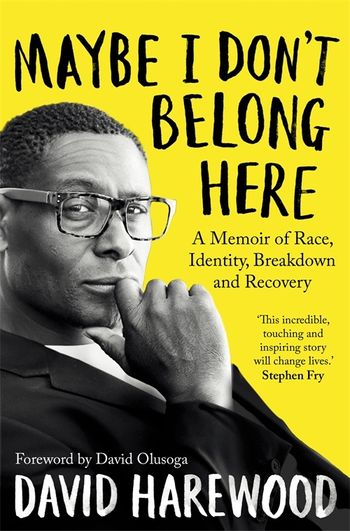
David Harewood’s memoir is a timely and important contribution to the conversation about race and mental health in Britain. It challenges us to examine the systems and biases that continue to shape our society and affect the wellbeing of Black people. It also offers hope and inspiration to anyone who has experienced mental health issues or knows someone who has.
In this book, he tells his story with honesty and courage. Harewood explores how his breakdown was influenced by his experiences of growing up as a black British man in a predominantly white society. He talks about the racism, discrimination, and stigma that he faced and how they affected his mental health. He also investigates the systemic inequalities and biases that continue to shape our society and impact black people’s mental health.
I found this book very powerful and provocative. It made me think about the issues that black people face in Britain and how they are often ignored or dismissed. As someone who has a relative who has suffered from mental health issues, I know this all too well the significant impact that mental health and psychosis can have on a person.
I think this book is very important and relevant, especially in light of the systemic inequalities and discrimination that continue to shape our society and affect the wellbeing of Black people It’s not only a memoir, but also a call to action to examine ourselves and our society and to make positive changes.
You can buy Maybe I Don’t Belong here from the Bookshop or on Amazon.